
Stone cottages, narrow lanes and a lake that fills the roads at weekends. The houses here hold more than they look and the approach decides the vehicle.
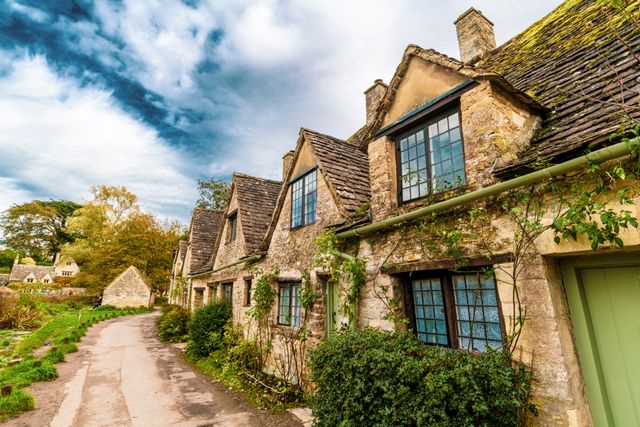
The short version. Tell us the address, what the lane is like, and every floor that holds things including the cellar. A written figure follows.
Most places we work, the first question is how much there is. In Littleborough it is whether we can get to it, and that is not a formality.
The village sits where the Pennines start in earnest, and a good share of the housing is on lanes that were laid out for carts. Drystone walls on both sides, no passing places, and in several cases nowhere at all to turn a large vehicle. A lorry that can get to a door and not get back from it is a worse problem than one that never attempted the lane.
None of that stops us working here, and we do most weeks. It simply means the approach is settled before the quote rather than after. Where a full-size vehicle will not go, we bring something smaller and shuttle to a larger one parked at the nearest sensible point, which is an ordinary way of working rather than a compromise.
Tell us the street when you first get in touch. We know a good many of them, and where we do not, we would far rather look than guess.
Six parts of the village and the ground around it.
Stone terraces and cottages around the centre, built tight to the pavement with no off-street parking. Deep rather than wide inside, and frequently holding more than the frontage suggests.
Properties around the lake and the lanes behind it. Beautiful, and busy with visitors at weekends in a way that genuinely affects when a vehicle can get near a door.
A mix of older stone housing and newer estates on flatter ground. Driveways on the newer streets and easier access generally, with the shed as the usual omission.
The lanes climbing towards the moor. Narrow, walled on both sides and short of turning space, which decides the vehicle rather than the route.
Older cottages along the Rochdale Canal towards the Yorkshire border. Narrow approaches, low doorways and a few addresses where the nearest sensible parking is a walk.
Where the village runs into Rochdale proper. Terraced and post-war housing with street parking rather than driveways.
Access here takes a particular form, and it is worth being specific about it rather than talking generally about narrow streets.

The address, what the approach is like, and every space that holds things. That is enough to price it properly.
Littleborough is a commuter village as much as a Pennine one. The station is on the Manchester to Leeds line and the M62 is a few minutes away, which shapes both who moves here and how a moving day is best arranged.
The practical effect on the day itself is the roads rather than the trains. The junction at Milnrow and the roads towards Rochdale are slow at commuter times, and if your move involves getting a loaded vehicle out towards the motorway it is worth being clear of that before half eight. On a local move within the village it matters less. On a move to Yorkshire or beyond it can decide whether the day finishes comfortably or in the dark.
The longer distance point is worth making plainly. Once you are travelling any real distance the vehicle cannot come back for a second load, so everything has to fit in one run and the day works backwards from a departure time rather than forwards from a start. That is a different kind of plan and it is worth building deliberately rather than assuming a local approach will stretch.
Moves across the border into Calderdale are common from here and behave much like local ones in distance but not in planning, because the roads over the top are slower than a map suggests and unreliable in bad weather. We allow for that rather than discovering it.
Where two completion dates will not meet, which on longer moves is common rather than exceptional, storage bridges the gap. Your things go into store, you complete when you complete, and we deliver when the new place is genuinely yours.
People consistently underestimate these houses, and the reason is that the frontage tells you almost nothing about the volume behind it.
A two-up two-down in stone is usually deeper than it is wide, so the rooms are larger than the elevation suggests. Below there is frequently a cellar, which in this village is common and rarely mentioned when somebody describes their house. Above there is often an attic room, either converted properly or simply floored and used, which adds a further storey of things. A cottage that presents as two floors can genuinely be four that hold contents.
The cellar is the one that changes a quote most, because what goes into a cellar is heavy. Tools, tins of paint, tiles left from a bathroom, a chest freezer, and boxes that went down there when somebody moved in and were never opened. All of it has to come up a flight before the move proper starts.
The other thing worth knowing is what is outside. A lot of these properties came with a stone outbuilding, a coal store or a workshop, and those fill up in exactly the way garages do elsewhere. They are almost never on the list people send us first.
None of it needs emptying before we arrive. It needs telling us about, and it needs to be reachable on the day rather than behind a stack of things that are staying. If you have not decided about part of it, say so and we will price the move both ways.
Everything in the property, including the parts people assume are their own problem.
Beds, wardrobes and flat-pack taken apart and rebuilt. In the stone cottages here this is standard rather than exceptional, because the doorways settle it.
Disconnected and reconnected at both ends, integrated units included where they are coming with you.
Both, and many of these properties have one of each. Tell us at the quote stage and neither becomes a surprise.
Sheds, greenhouses, furniture and machinery, plus whatever is stored in a stone outbuilding that came with the house.
Pianos, safes and gym equipment, planned around the doorways and the approach rather than assumed.
For a gap between dates, a downsize, or a house that needs work before you move into it.
Five things, and here the first one genuinely comes before the others.
The first question here rather than a detail. Some of the lanes will not take a large vehicle at all, and where that is the case we plan a shuttle rather than discovering the problem at the top of a hill.
Cellar, attic room, outbuilding and the space under the stairs. In this housing the volume runs a long way beyond the two floors you can see from the road.
More than almost anywhere else we work. Narrow original doorways and steep turning staircases mean most large furniture leaves in pieces.
Where a van cannot stop outside, the walk to the door is a genuine part of the job and it belongs in the figure rather than appearing on the day.
Weekends in good weather are the hardest here because of visitor traffic around the lake. Midweek is easier, quieter and cheaper.

A steady share of the people we move into Littleborough are coming from Manchester or the towns closer to it, and that particular move has a pattern worth setting out.
The first thing that changes is space. A flat or a small terrace becomes a cottage with a cellar, an attic room and an outbuilding, and there is suddenly somewhere to put things that have been at a relative or in storage for years. That is the pleasant part.
The second is furniture, and it catches people out. Modern furniture is designed for modern openings. A three-seat sofa bought for an apartment with a wide hallway may not clear a nineteenth century doorway with a low lintel, and a king-size divan will not come up a steep turning staircase in one piece. Before you decide something is coming, measure it against the new house rather than the old one. We would far rather have that conversation at the quote stage than on the pavement.
The third is the practical rhythm of the place. Deliveries take longer, some lanes are genuinely difficult in winter, and the roads around the lake are busy when the weather is good. None of that is a drawback, it is simply different from a city street, and it is worth knowing before the first supermarket delivery attempts your lane.
The move in the opposite direction, out of a cottage and into a flat or a smaller house, has the reverse problem. You are losing the cellar, the attic and the outbuilding at the same time, with nowhere for their contents at the far end. That conversation belongs at the quote stage while storage or a sale is still an option, rather than on the morning with a vehicle already loaded.
Littleborough and the surrounding area. For the wider borough, including the town, Norden, Milnrow and Heywood, see our Rochdale removals page.
The wider borough, including Norden, Milnrow and the town itself.
For a house that needs work before you move into it.
Which most cottage doorways here make necessary.
Everything, or just the kitchen and the breakables.
Usually, and it is the first thing we establish rather than the last. Some of the lanes around Calderbrook, Shore and the canal will not take a full-size vehicle, and where that is the case we bring something smaller and run to a larger one parked at the nearest sensible point. That is planned in advance rather than improvised.
It is normal here and it means more dismantling rather than more difficulty. Beds and wardrobes almost always come apart, and a door coming off its hinges solves a surprising number of cases. Everything is rebuilt at the new address.
On a weekend in decent weather, yes. Hollingworth Lake draws a lot of visitors, the car parks fill early and the roads around it slow down. A midweek move avoids it entirely and an early start handles most of the rest.
Very much so, and they are the usual reason a quote here turns out to be wrong. A cottage with two visible floors can effectively have four that hold things. Neither needs emptying beforehand, they just need to be in the quote and reachable on the day.
Yes, along with Dearnley, Calderbrook, Shore, Rakewood and the roads out towards Milnrow and the Yorkshire border.
Mainly that the houses hold more and the access is tighter than you are used to. It is worth measuring anything large against the new doorways before deciding it is coming, because furniture bought for a modern flat does not always fit a stone cottage.
Yes, and it is common here because a lot of these properties get work done before anybody moves in. Carpets, floors and decorating are all far easier in an empty house, and a few weeks in store usually costs less than moving everything twice.
Four to six weeks, and earlier for a summer weekend. If the approach to your property is narrow, tell us when you first get in touch so the right vehicle is allocated rather than assumed.
Send the address and a description of the approach and we will come back in writing, or arrange to look if the lane warrants it.